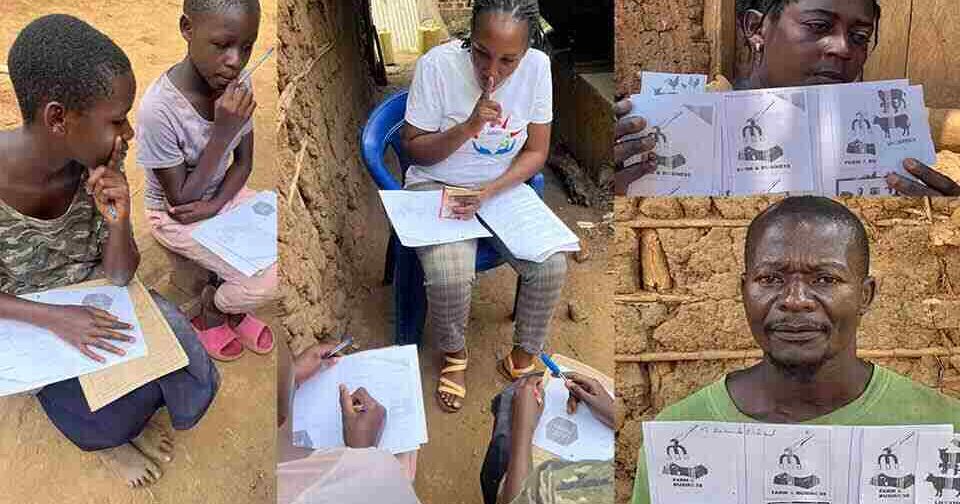
On 26th January 2026, GIBEH, in partnership with PLAS Japan, successfully conducted a series of counseling sessions for new beneficiaries, parents, and caregivers in Kibanga.
The sessions were designed to strengthen career awareness among children and promote proper household financial management among parents and caregivers. The activities were guided by Modules 6 and 7 of the program curriculum.
Career Counseling Sessions for New Beneficiaries
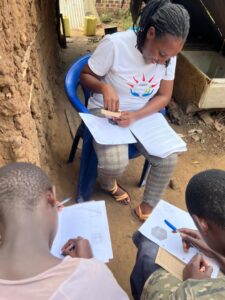
The counseling sessions for the new beneficiaries focused on career reflection and planning, building on the career talks that had been conducted earlier. Through interactive discussions, the facilitators helped the children develop a clearer understanding of what a career is and the factors that influence career development.
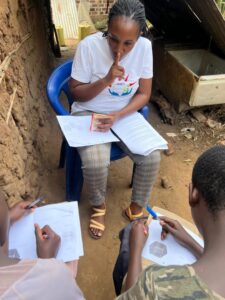

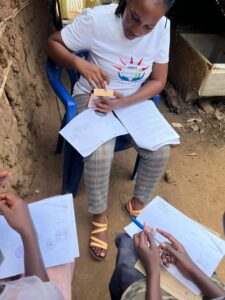
Participants were encouraged to reflect on the previous career talks, including the Life Roles Rainbow activity, which helped them appreciate the different roles individuals play throughout their lives. The beneficiaries were given an opportunity to explain career concepts in their own understanding and to identify what they believe is necessary to achieve a better career in the future.
Key themes emphasized during the discussions included:
Two of the beneficiaries expressed a strong interest in becoming teachers. Using this as a practical example, the counselors guided them through discussions on how they can plan to become exceptional teachers, highlighting both academic and non-academic aspects of personal development.
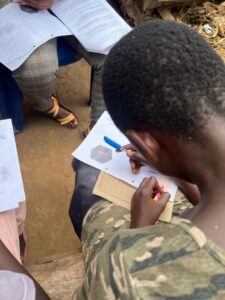
To support this process, the children completed career planning sheets, which captured:
The education and vocational journeys of people they admire
The sessions also introduced the Career Honeycomb, a tool used to help beneficiaries understand the various resources, skills, and support systems required for career development. This enabled the children to identify the different elements that can contribute to achieving their career goals.
Several participants raised questions about university life, which the counselors addressed by providing guidance on expectations, preparation, and opportunities within higher education.
Household Financial Management Counseling for Parents and Caregivers
On the same day, GIBEH also conducted counseling sessions for new parents and caregivers in Kibanga, focusing on Module 6: Proper Management of Household Finance. The objective of this session was to help participants understand how to identify, manage, and improve household finances, particularly income generated from poultry projects and other small businesses.
The counselors used simplified card games as an interactive learning tool to help participants grasp basic financial concepts. Through these activities, parents and caregivers were able to better understand:
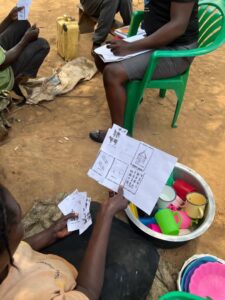
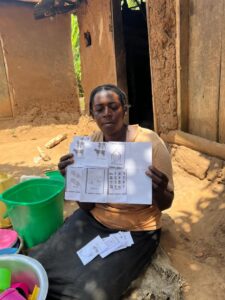
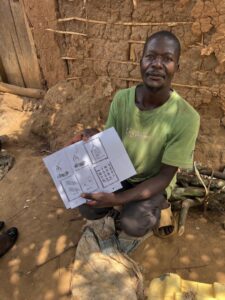
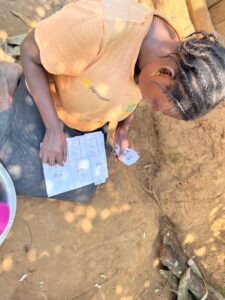
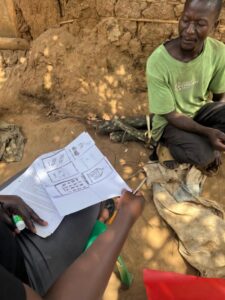
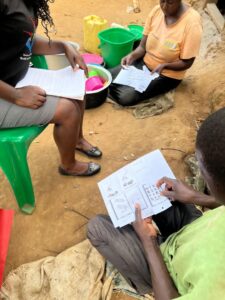
Participants shared information about the various businesses they rely on to support their families. Discussions also covered common household expenses, including school fees and unplanned expenditures such as funerals and other emergencies.
Key financial management practices emphasized during the session included:
Career Planning and Goal Setting (Module 7)
Under Module 7, the counselors further supported the children in developing structured career plans using career planning sheets. The sessions explored individual preferences, strengths, and talents that could support their career aspirations.
For those aspiring to become teachers, discussions highlighted practical actions that contribute to long-term success but are not necessarily academic, such as:
This approach helped them visualize their future and understand the steps required to move progressively toward their career dreams.
Conclusion
The counseling sessions conducted by GIBEH in partnership with PLAS Japan provided valuable guidance to both children and parents in Kibanga. By combining career development counseling with household financial management education, the program continues to empower beneficiaries with practical skills, knowledge, and confidence needed to make informed decisions for their future and that of their families.