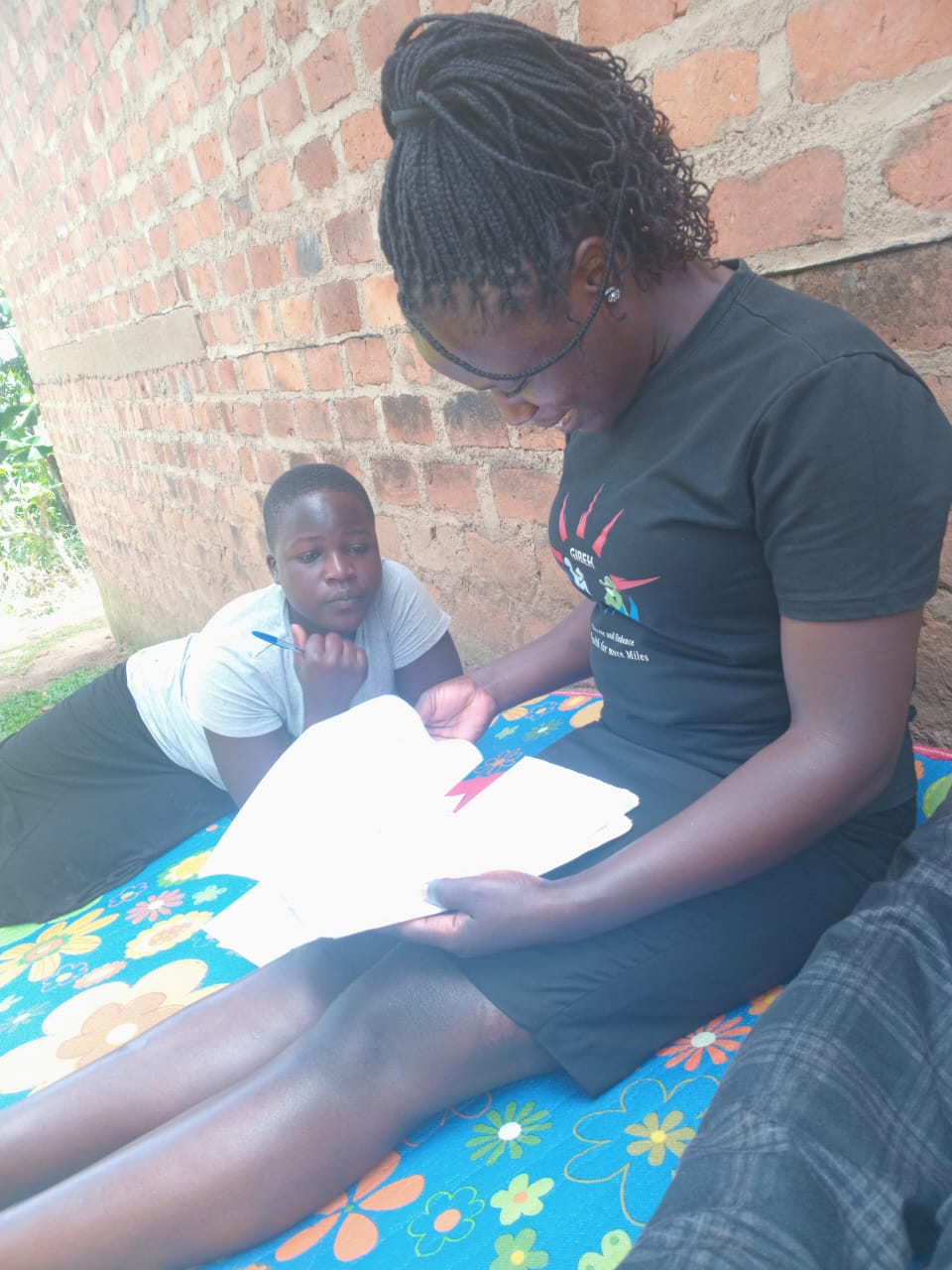
On 13th February 2026, GIBEH, in partnership with Plas Japan, successfully conducted counselling sessions, picture book reading activities, and beneficiary monitoring visits in the communities of Kibanga, Terere, and Bunakanda. The sessions targeted newly enrolled beneficiaries and focused on strengthening both life skills and economic empowerment among children and their parents.
The children’s sessions centered on Module 5, which focuses on equipping young learners with foundational knowledge of Sexual and Reproductive Health and Rights (SRHR). The aim was to help children:
Understand the basics of SRHR appropriate to their age
Identify potential dangers during adolescence
Learn preventive measures
Build confidence in communicating during sensitive situations
Understand and assert their rights
Interactive learning methods were used to enhance engagement and comprehension. Activities included:
Guided group conversations
A role-play exercise involving a “letter from a friend (Judy)” that required thoughtful responses
Worksheets with scenario-based questions
A refresher session on children’s rights
These approaches encouraged open discussion and active participation. Notably, beneficiaries such as Namuluta Norah, Nalukwago Pretty, Jaira, and Nakazi Catherine participated in the sessions and demonstrated enthusiasm and growing confidence.
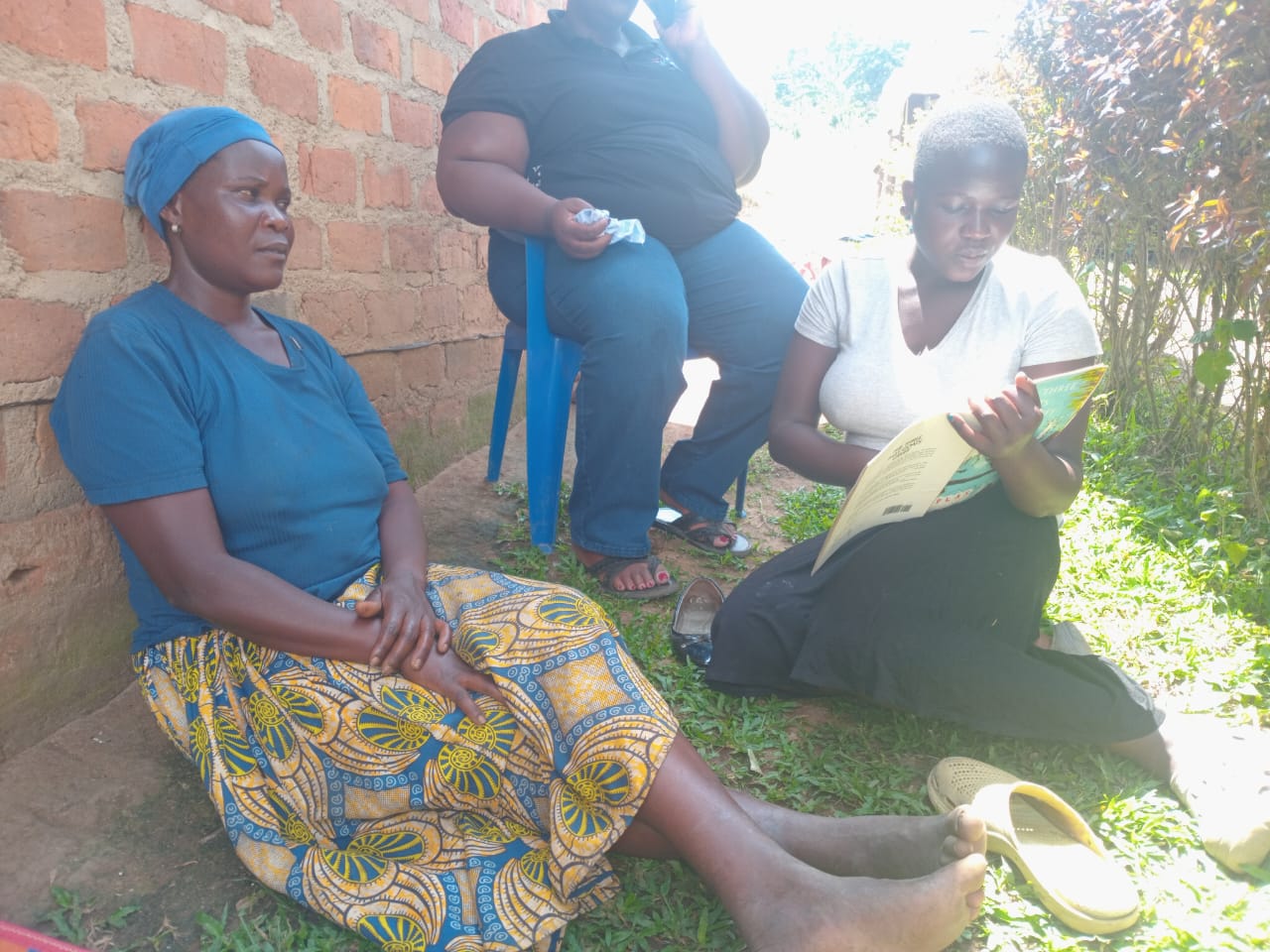
A highlight of the session was the picture book reading activity, where children confidently read aloud to their peers and even to parents without fear. This marked significant progress in literacy, self-esteem, and peer encouragement, as their confidence inspired other children to participate more actively.
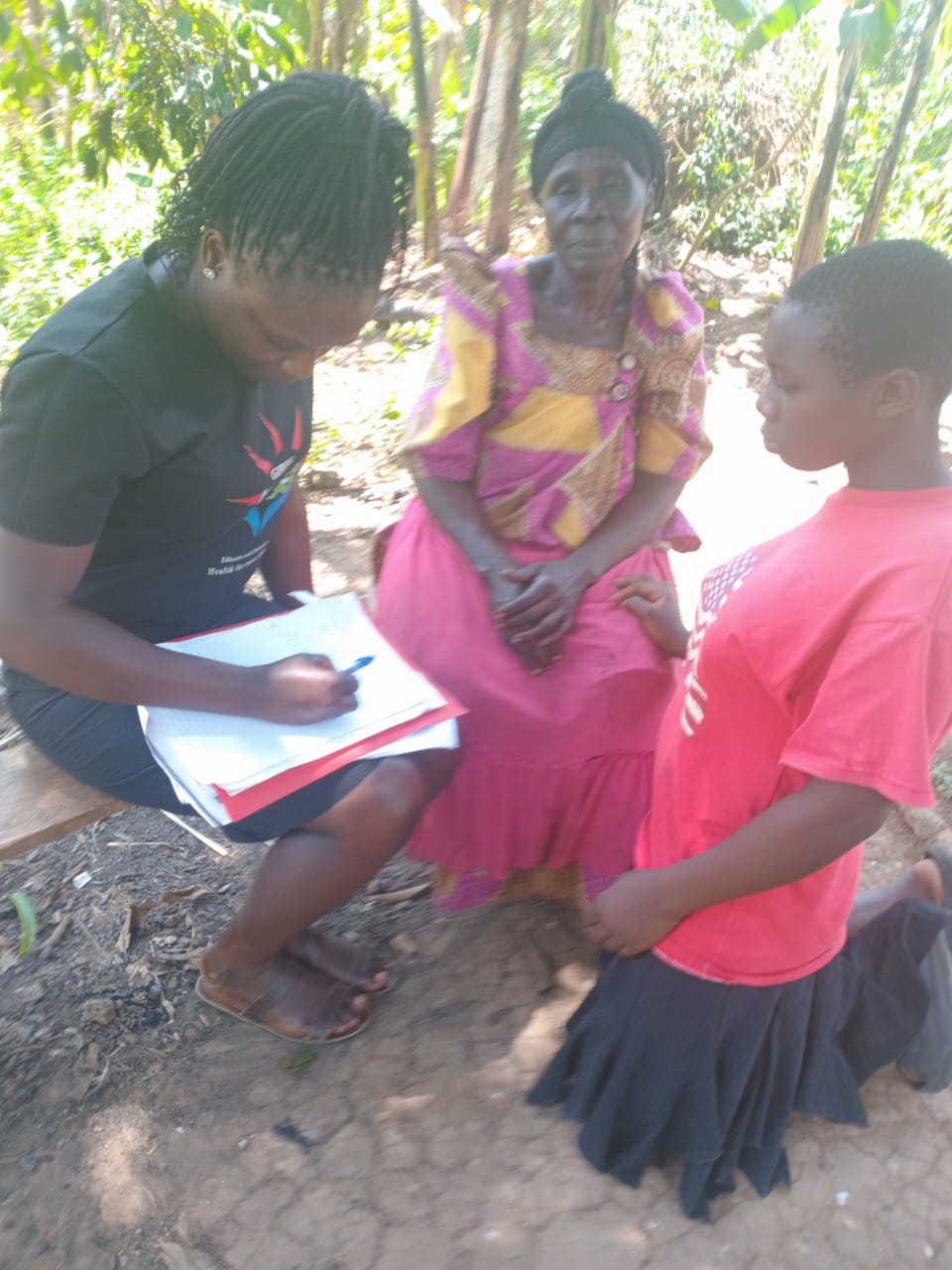
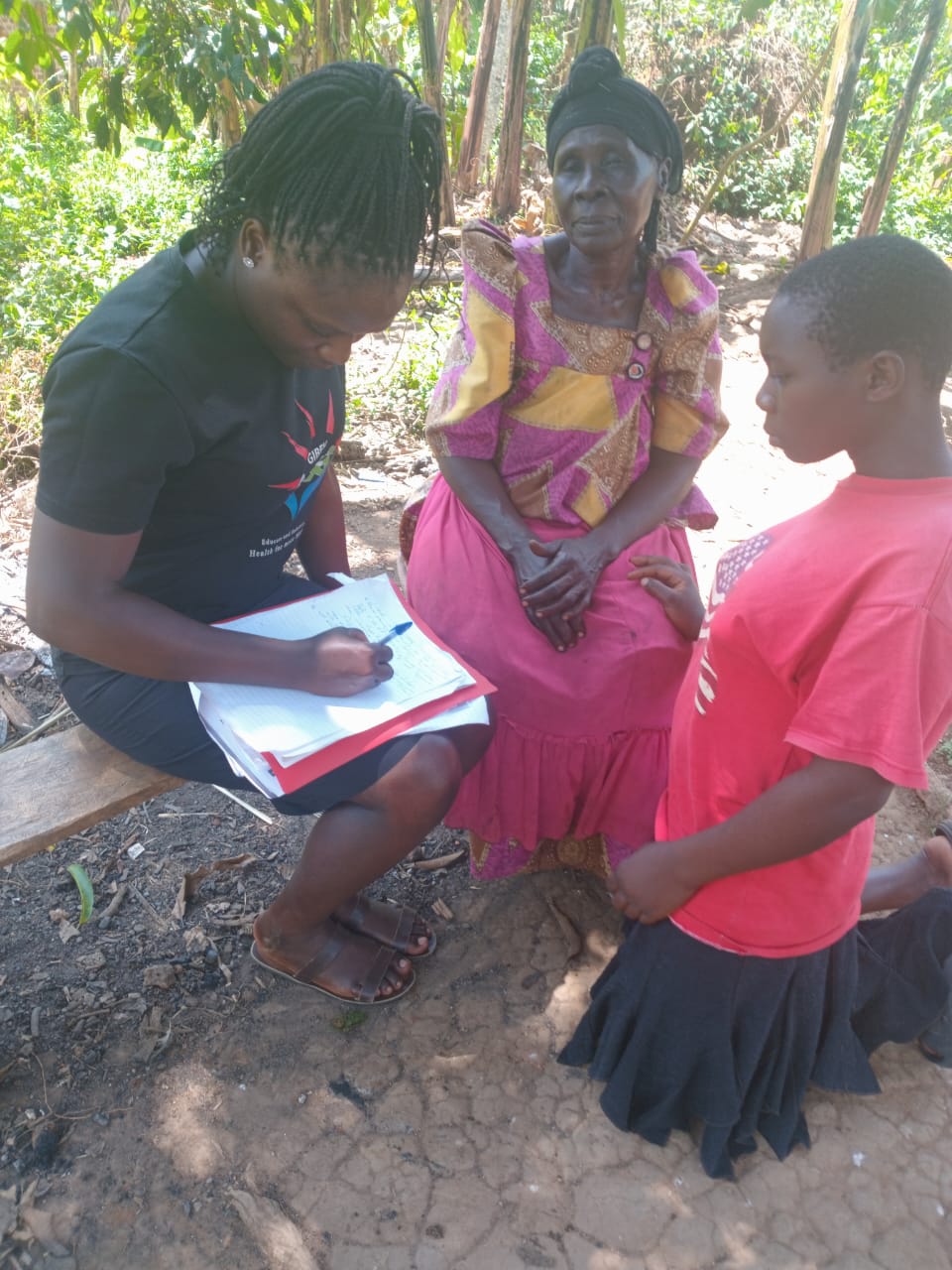
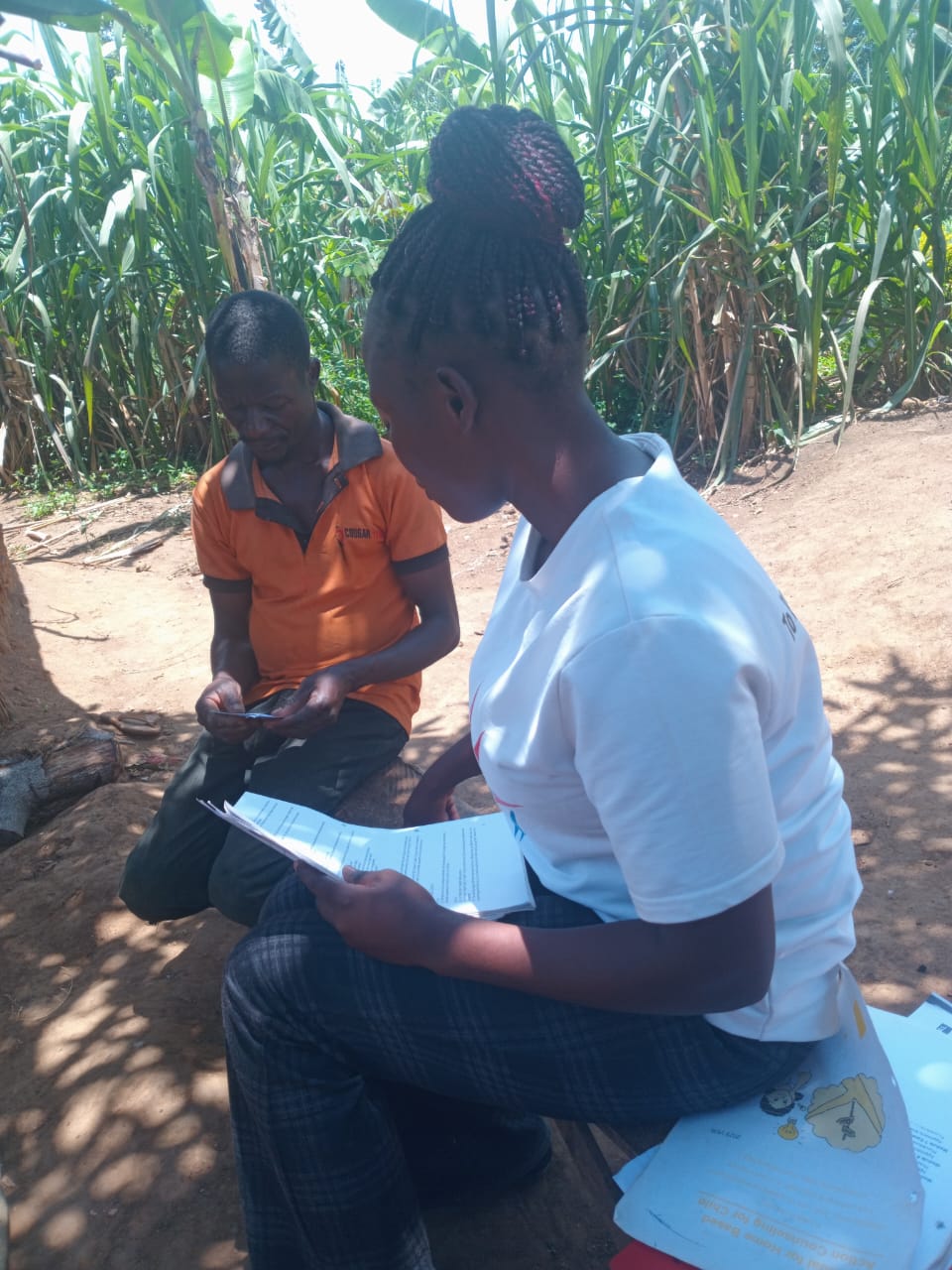
For parents, the focus was on Module 7, which covers foundational business skills aimed at strengthening household economic resilience. The sessions emphasized:
Investment strategies
Saving practices
Expense management
Financial discipline
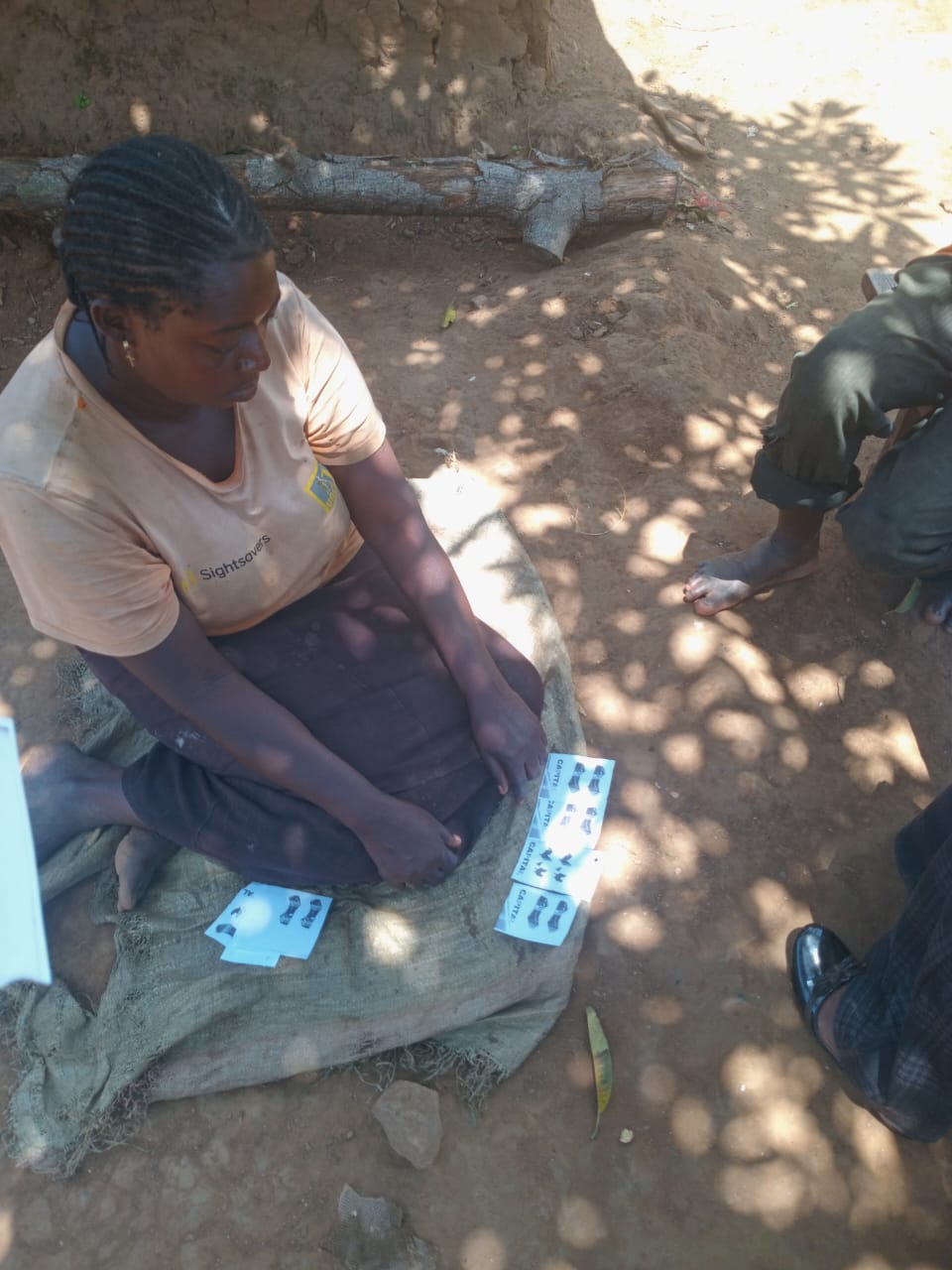
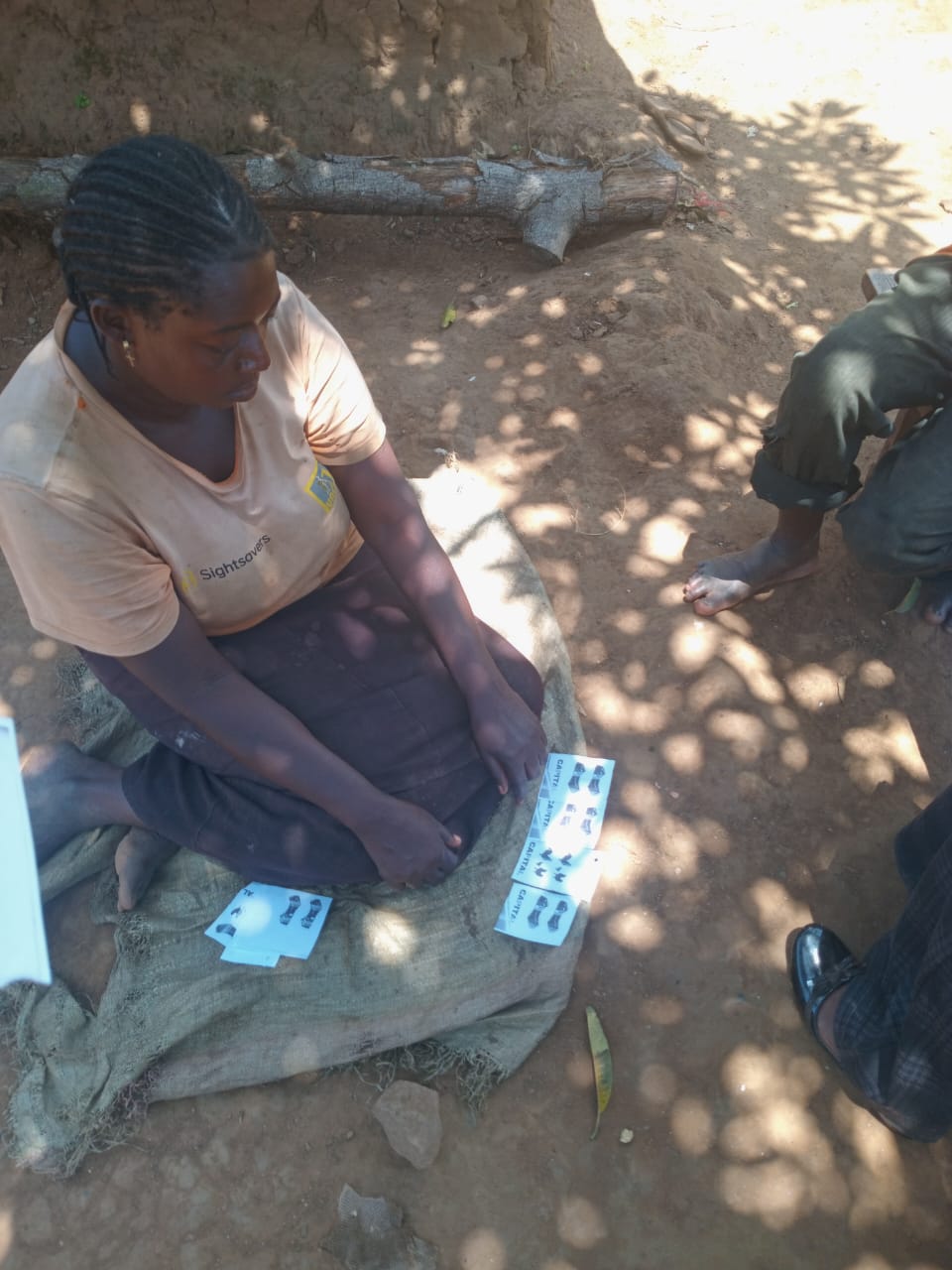
A participatory card-based game was introduced to simulate decision-making in income allocation, helping parents visualize how to balance savings, investments, and expenditures. The interactive nature of the session enhanced understanding and encouraged practical application at home.
Parents also participated in picture book reading exercises, reinforcing a culture of literacy within families.
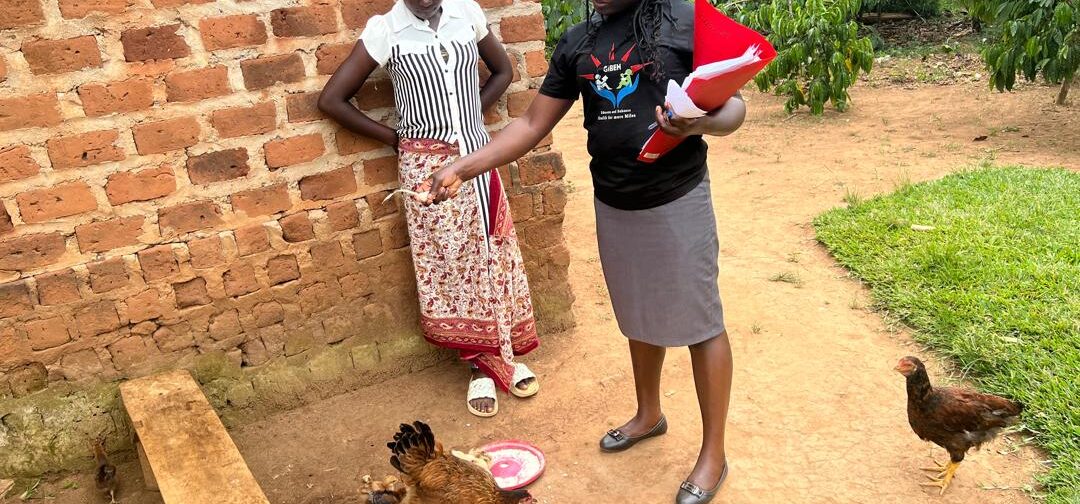
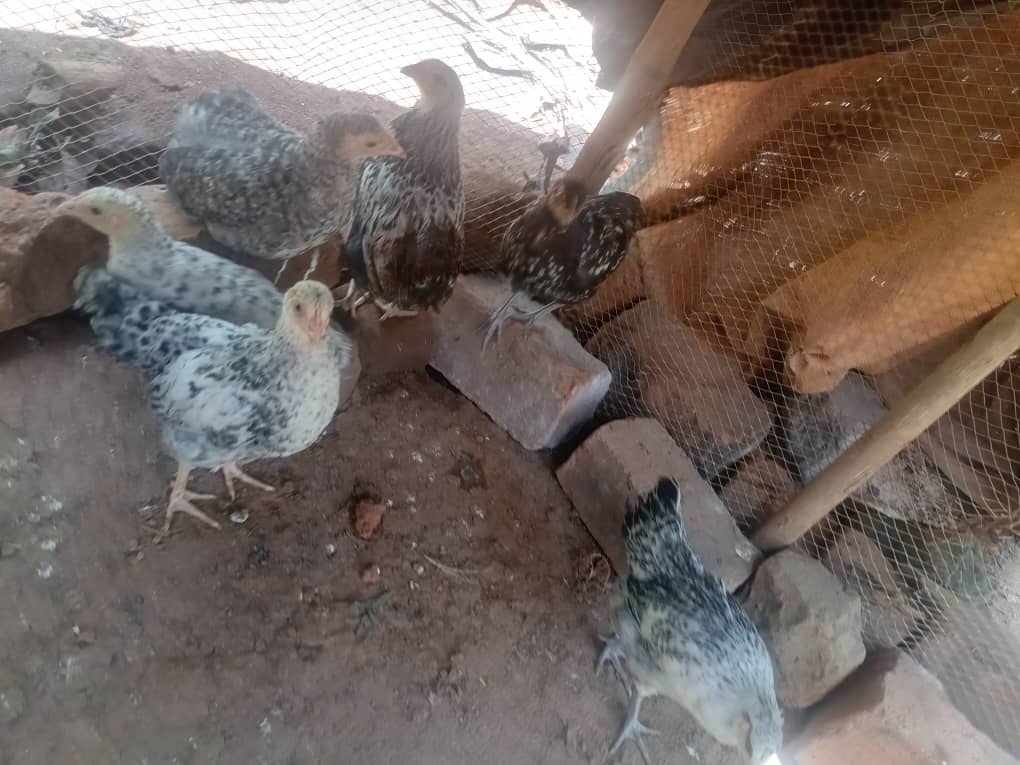
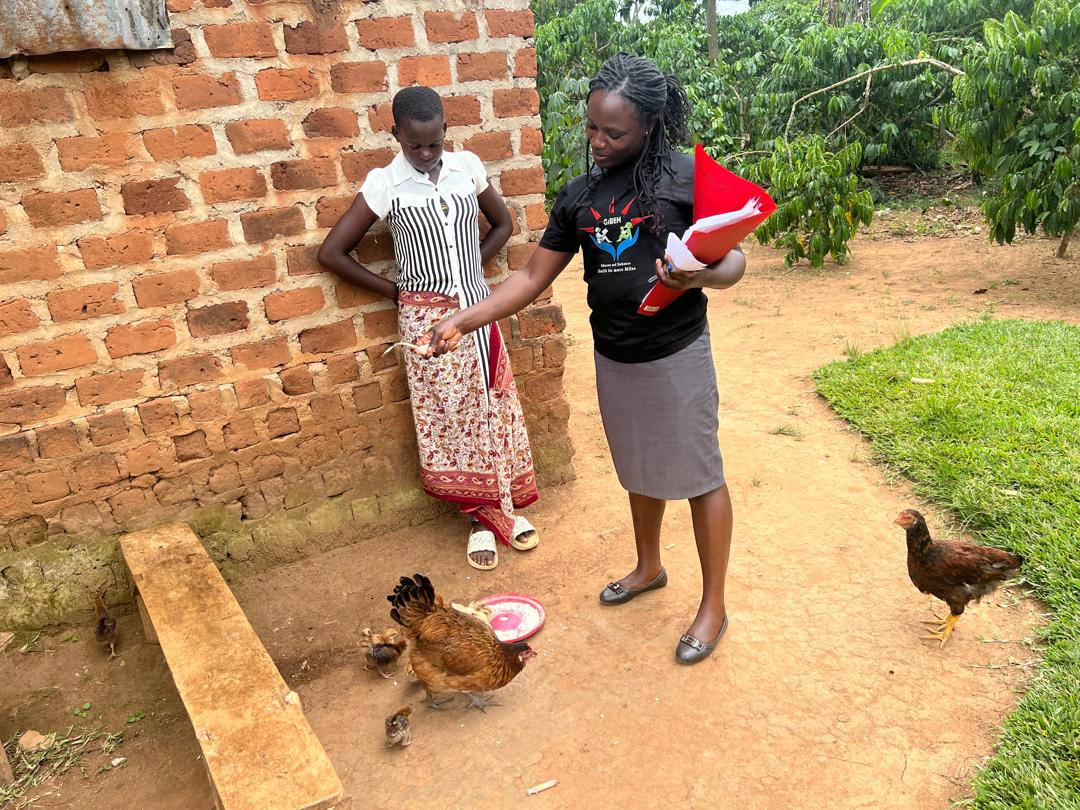
Monitoring visits revealed mixed outcomes in the poultry rearing projects supported by the program. While some beneficiaries faced challenges such as disease outbreaks and predation, others demonstrated commendable progress and entrepreneurial initiative.
Key Findings:
Namutende retained one cock and plans to sell it to purchase two additional hens.
Namuluta Norah maintained all her poultry, with one hen currently laying eggs.
Nashibah lost two hens due to wild animal attacks.
Jaira currently has two hens (one laying eggs) and sold half a tray of eggs at UGX 500 each. However, she experienced losses after unknowingly purchasing a sick cock, which infected and led to the death of two hens.
Kirabo Deborah lost 11 chicks and remains with 9. One hen is laying eggs. She also sold one cock and reinvested in another hen.
Belinda lost five chickens due to sudden disease and now remains with two hens and one chick.
Nakazi lost two hens; two remain, with one laying eggs.
Wanyana Helen has 13 chickens, with one laying eggs. She sold one cock at UGX 30,000 and plans to purchase another.
Nalubega Christine has retained all her poultry.
While disease outbreaks and predation posed challenges, many beneficiaries showed resilience by reinvesting profits, replacing lost stock, and applying lessons from the business skills sessions. The initiative demonstrates gradual but meaningful economic empowerment.
The February 13th engagement by GIBEH and Plas Japan reflects a holistic approach to community development—addressing both life skills education for children and economic empowerment for families. The integration of SRHR education, literacy promotion, and practical business training is fostering confidence, responsibility, and resilience among beneficiaries.
Despite challenges encountered in poultry projects, the monitoring results indicate progress, adaptability, and a growing entrepreneurial mindset within the communities of Kibanga, Terere, and Mawanagala.
The partnership continues to inspire hope, strengthen livelihoods, and empower families toward sustainable development.