Mukono Leaders Join Forces with GIBEH to Combat Sexual and Gender-Based Violence Against Children
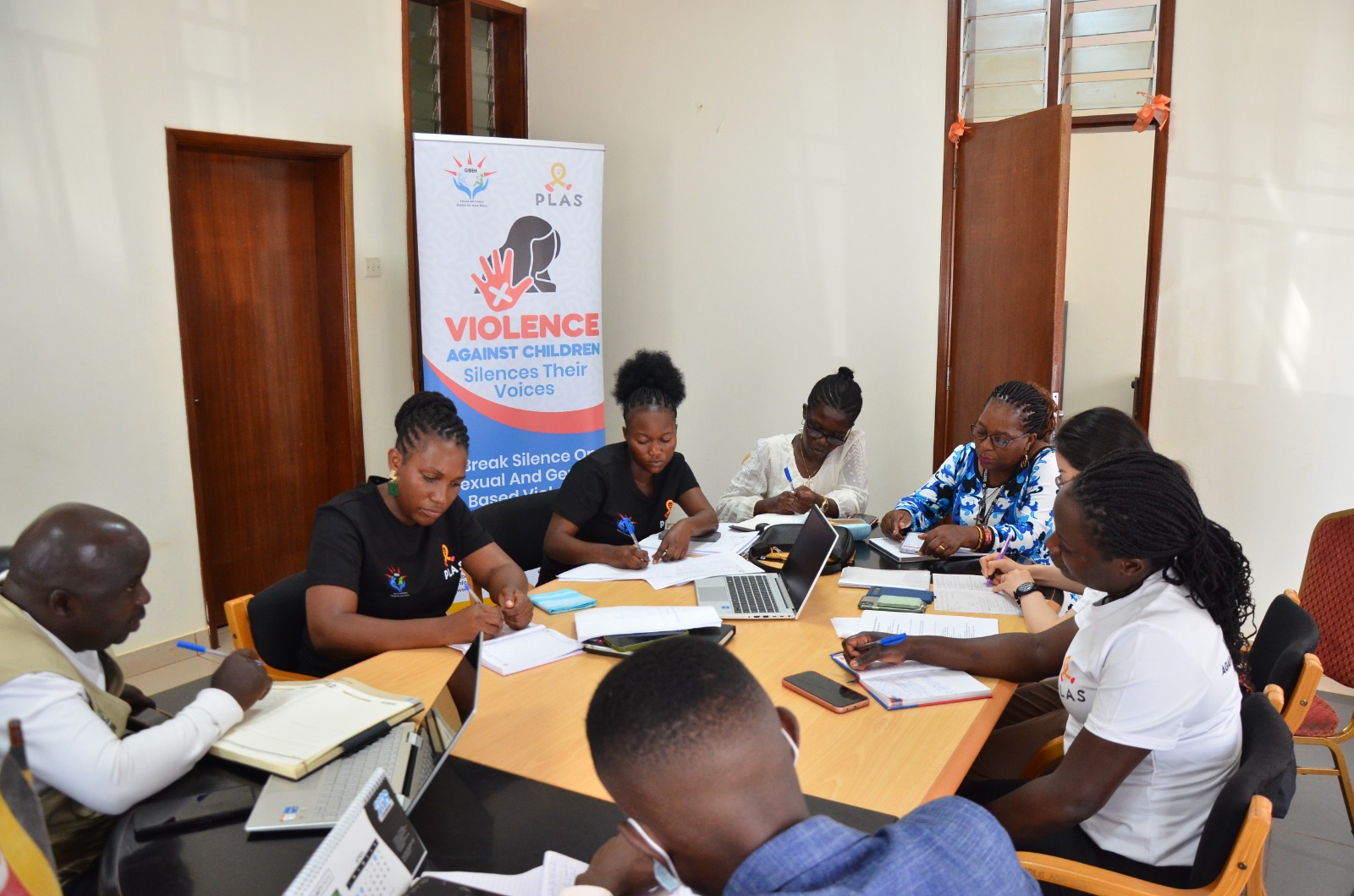
In a concerted effort to safeguard the well-being of children, leaders in Mukono District have intensified their commitment to combatting sexual and gender-based violence (SGBV). A recent stakeholders’ meeting, convened by the Girls Initiative for Better Education and Health (GIBEH), brought together district officials, development partners, and education experts to address the alarming trends of abuse and early pregnancies affecting school-going girls in the region.
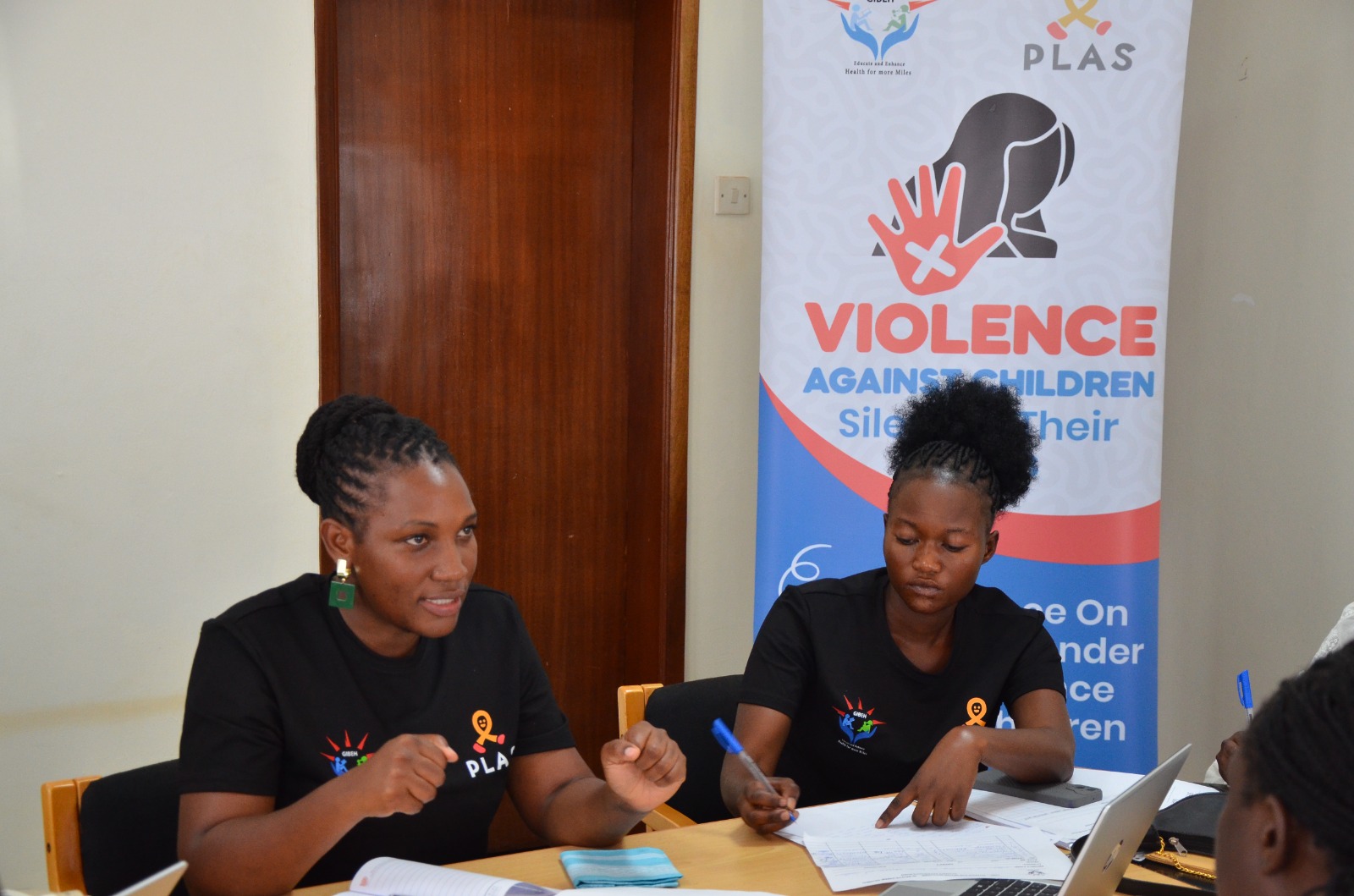
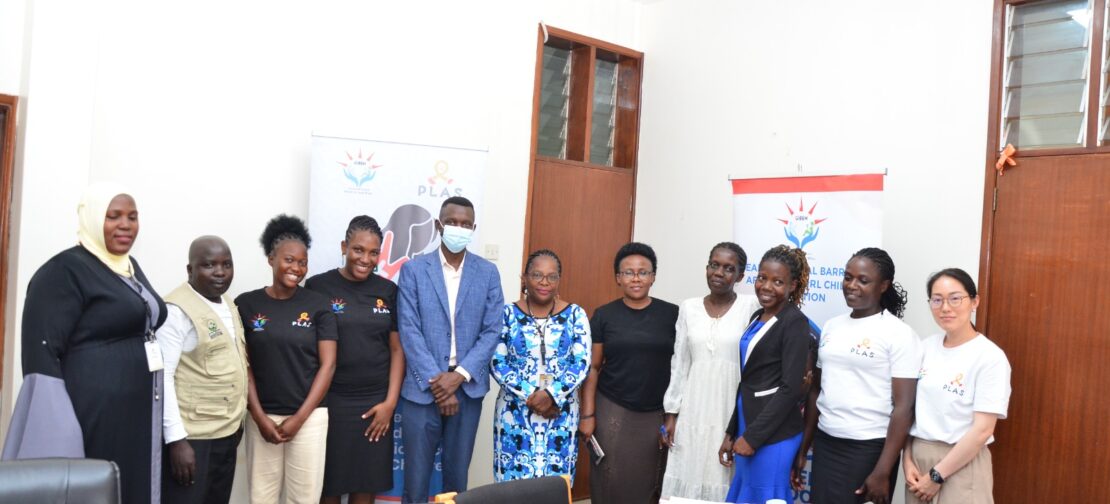
The meeting, held on Monday, March 9th, served as an entry point for GIBEH’s Sexual and Reproductive Health and Rights project, implemented in partnership with PLAS Japan under the “Keep Her In School” (KHIS) program. Attendees included Vice Chairperson LC V of Mukono District, Jerom Kabali Kimera, District Community Development Officer Minisa Kirya Namukose, GIBEH CEO Susan Nabatte, and representatives from PLAS Japan, alongside other key education stakeholders.
Discussion centered on findings from a recent survey conducted in Katosi and surrounding communities, revealing disturbing rates of teenage pregnancies among girls aged 12 to 17. These findings have spurred leaders to prioritize comprehensive sensitization programs within schools and communities.
“Our field visits to health facilities like Kojja Health Centre revealed that many young girls are already seeking antenatal care, while others are hesitant to utilize contraceptives,” explained Susan Nabatte, CEO of GIBEH. “This highlights a critical gap in sexual and reproductive health knowledge among adolescents, leaving them vulnerable to exploitation and early pregnancies.”
The assessment further exposed a shortage of child-friendly healthcare workers capable of providing guidance to young people on sensitive issues related to sexuality, protection, and reproductive health. Additionally, economic vulnerabilities in fishing and trading communities around Katosi were identified as contributing factors, with reports of girls exchanging sex for basic necessities.
The KHIS program aims to counteract these challenges through a peer-to-peer education strategy, empowering children with vital knowledge about sexual health, personal safety, and reporting abuse. Selected peer educators will sensitize their fellow pupils, fostering a comfortable environment for open communication. The three-year program will focus on communities including Katosi, Mpunge, Lulwage, Nama, Ntenjeru, and Mpatta.
Vice Chairperson Jerom Kabali Kimera, representing the District Chairperson LC V, lauded GIBEH and its partners for bringing this crucial initiative to Mukono, emphasizing the importance of addressing both male and female involvement in SGBV prevention. He urged implementers to extend the program beyond schools, engaging parents, community leaders, and local institutions to create a comprehensive safety net for children.
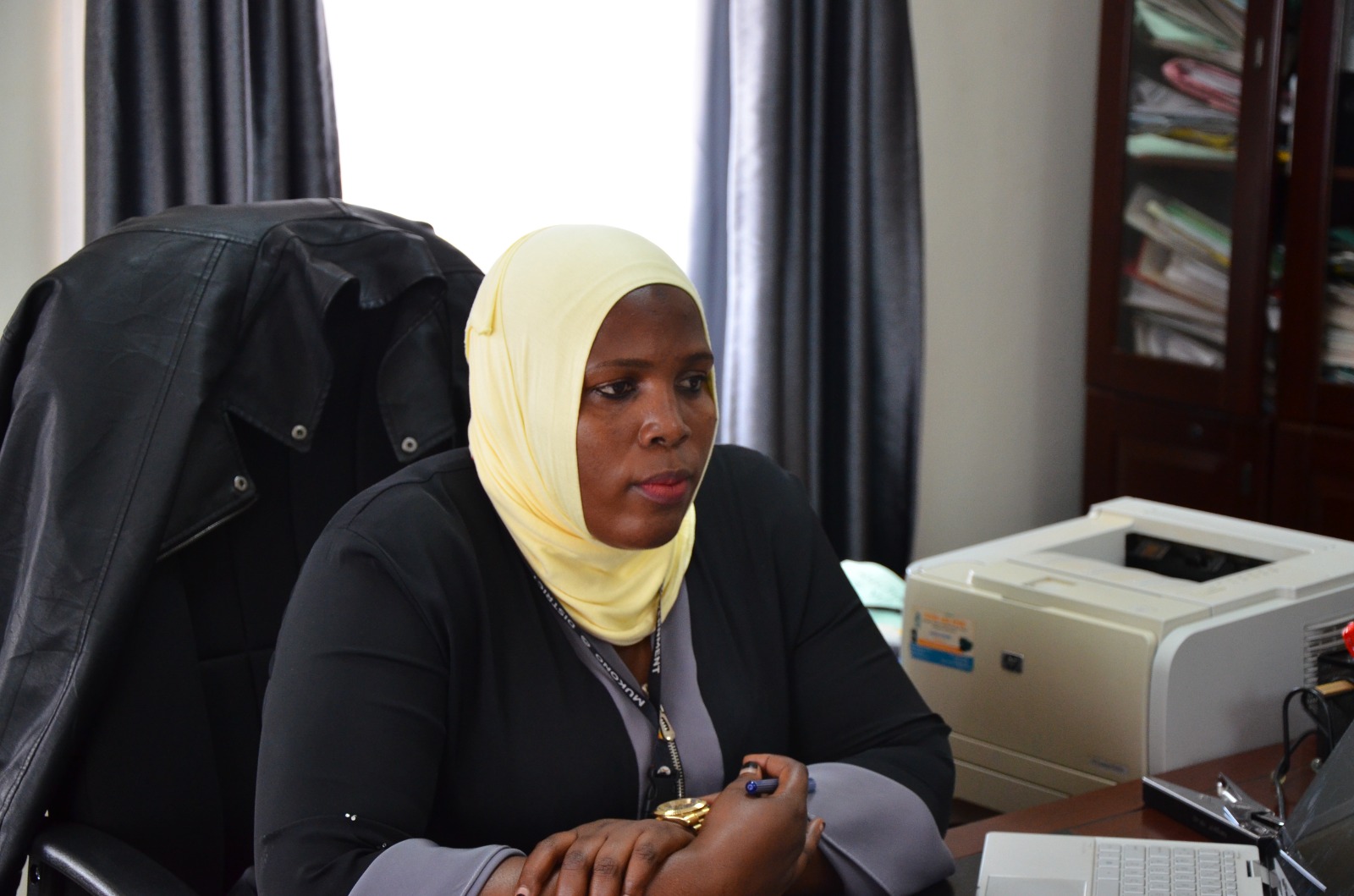
District Community Development Officer Minisa Kirya Namukose echoed this sentiment, stressing the need to involve grassroots leaders, including school inspectors, community development officers, and local council representatives, who often serve as first responders in abuse cases. She also highlighted the importance of addressing the role of community actors, such as boda boda riders, who may exploit school-going girls.
With strong support from district leadership and development partners, the Sexual and Reproductive Health and Rights program is poised to make a significant impact on the lives of children in Mukono District. Through community sensitization, peer education, and strengthened collaboration, stakeholders are confident that this initiative will break the silence surrounding abuse, improve sexual health awareness, and reduce cases of teenage pregnancy and exploitation.